

The mountain reveals itself slowly, wreathed in smoke from a thousand oil lamps burning in the pre-dawn dark. You climb the final steps—your calves burning, your breath shallow—and suddenly the Venkateswara temple explodes into view: white stone, a golden gopuram that catches the first sun like a blade, and two million people a year funneling through these corridors because something about this place makes them believe their prayers will actually be heard. The air smells of jasmine, sandalwood ash, and the particular sweat of devotion. A woman next to you is crying quietly, not from pain but from the weight of having finally arrived. An old man touches the stone wall three times before moving forward. You realize, standing there, that you are not a tourist here—you are part of something so much larger than yourself that the distinction barely matters.
Tirupati's story doesn't begin with the temple, though that's what everyone remembers. It begins with a tale so deeply woven into South Indian mythology that locals can recite it in their sleep, argue about its details over chai pe charcha—that specific kind of gossip-over-tea where the stakes feel theological. Lord Vishnu, the story goes, fell in love with a local princess named Padmavati and decided to marry her, which meant he needed money for the wedding. He borrowed from Kubera, the god of wealth, and promised to repay him. That debt—that divine obligation—is why pilgrims come. They believe their donations are helping their god settle an ancient loan. A temple priest explained this to me during my third visit, and the specificity of it struck me hard: not a vague blessing, but a concrete transaction between the earthly and the divine. The pilgrims aren't just seeking grace; they're participating in an economy of faith that has operated for over a thousand years.

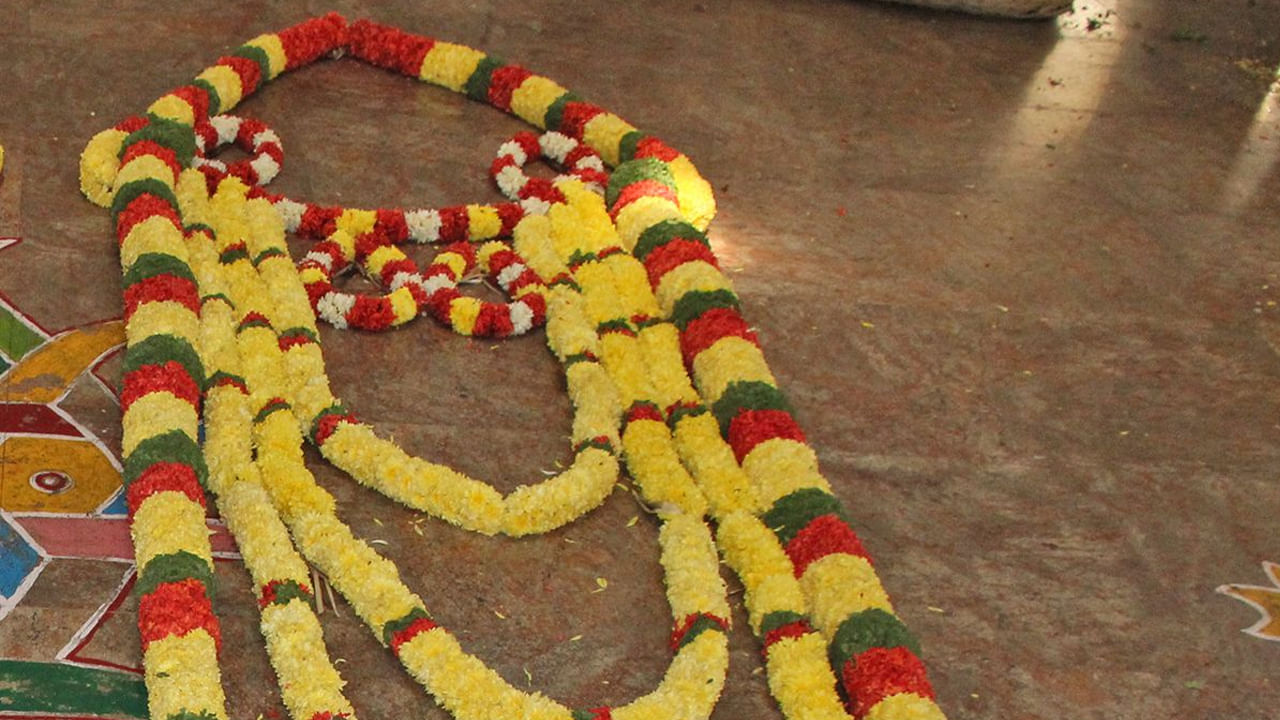
The real Tirupati happens before dawn, in the streets below the temple. At 4:30 AM, you find yourself in Mada Street—a corridor of small shops selling flowers, camphor, coconut oil, and the sacred turmeric powder that pilgrims will carry to the temple. An old vendor named Hari, who has been selling jasmine garlands for thirty-seven years, knows your face by your third visit and saves the best garlands for you without asking. His hands move with practiced rhythm, stringing flowers that will be offered at the deity's feet within hours, prayers crystallized into petals. The dosas from the small shop next door—crispy, served with a sambar that tastes like someone's grandmother still cooks there—cost the equivalent of eighty pence. But the real transaction is the conversation: Hari will tell you which direction the wind is blowing, what time the crowd gets unmanageable, which queue moves fastest, and whether the priest is in a good mood today. He's your guide because he genuinely wants you to have a good experience, not because you're paying him. This is the grace of small-town India—the unofficial hospitality that guidebooks can't teach.
Here's what nobody tells you: don't donate excessively, don't bargain with the priests, and absolutely decline the 'special darshan packages' that touts offer you outside. The temple administration has created a system where you can see the deity for free if you're willing to stand in line for four to eight hours—it's genuinely democratic in a way that feels almost subversive. The paid routes (200 rupees, 500 rupees, even 2,000 rupees for VIP) exist, but locals will tell you the god doesn't love you more if you pay. Go on a weekday morning, not a weekend or festival day, unless you specifically want to experience the cathedral-of-bodies sensation of standing shoulder-to-shoulder with strangers united in prayer. Wear something you don't mind getting sweaty and possibly torn—I've seen silk dresses ruined in the crush. Remove your footwear early and carry it with you; the shoebox system sometimes loses things. And when a young devotee or a widow asks you to hold their spot in line for a bathroom run, say yes. You'll understand why when it happens.
The haircut happens after the darshan—the darshan being the moment when you finally see the deity, and your specific prayer (whatever it was, whatever you've been carrying) meets the divine and bounces back, transformed into peace or certainty or just the strange relief of having shown up. It's over in seconds. You emerge into sunlight feeling both hollowed and full, and that's when the barber finds you. There's an entire ancient system of tonsure at Tirupati: you cut your hair as an offering, a surrender, a sign that you're leaving part of yourself at this mountain. The barber shops around the temple are run by families who've been here for generations, and they understand the weight of what they're doing. The scissors aren't just scissors—they're a ritual tool. Your hair falls into a pile with thousands of others, and you walk away lighter, literally and metaphorically, your scalp exposed to the wind like a newborn.
What stays with you after Tirupati isn't the architecture, though it's striking. It's the moment in the queue when a child asks his grandmother if god is listening, and she says 'beta, he hears everyone'—and you believe her because she believes her. It's the sight of a woman in a wheelchair being carried up the temple steps by her son because she refuses to miss the darshan. It's the old man who has been coming for sixty years explaining to you, a complete stranger, why this mountain matters more than the mountains of Switzerland or Nepal that he saw in a tourist magazine. It's the knowledge that somewhere in the flow of pilgrims, someone is experiencing the exact moment their life changes direction—and you might never know it, but you're standing in that miracle, shoulder to shoulder with it. Tirupati doesn't give you experiences you can photograph easily or stories that photograph well on social media. It gives you something quieter: a glimpse of what it looks like when faith isn't performed but lived, when surrender doesn't mean weakness but strength.
If this has sparked something in you—that particular ache of wanting to understand how a place becomes sacred, or what it means to be part of something larger than yourself—the team at Dream Destiny Trips has a tendency to turn these sparks into actual itineraries. They've learned that Tirupati isn't a day trip; it's a door to understanding pilgrimage itself, and that understanding changes you. Reach out, tell them you want to go when the crowds aren't performing but praying, and watch what happens.
