The first time you really see Dubai, it's not from the Burj Khalifa observation deck—it's 4:47am, when the city is still deciding whether it wants to wake up. The pre-dawn air sits heavy and strange, warm in a way that makes you aware of every pore on your skin. You're standing on a quiet street in Deira, near the abra (water taxi) docks, watching fishermen untangle nets while the skyline behind them glows like someone's left the lights on in heaven. The contrast punches you: these wooden boats, these weathered hands, these unchanged rituals happening in the shadow of towers so new they still smell like construction dust and ambition. A man in a faded kurta catches your eye and nods—not a tourist interaction, just a fellow person existing at the edge of the day. This is the Dubai nobody photographs. This is the one that stays with you.
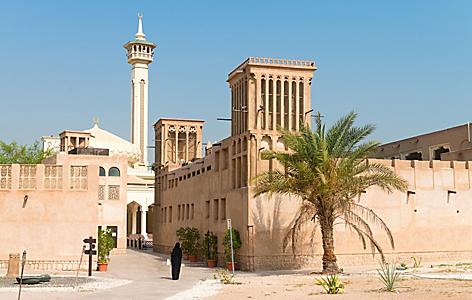
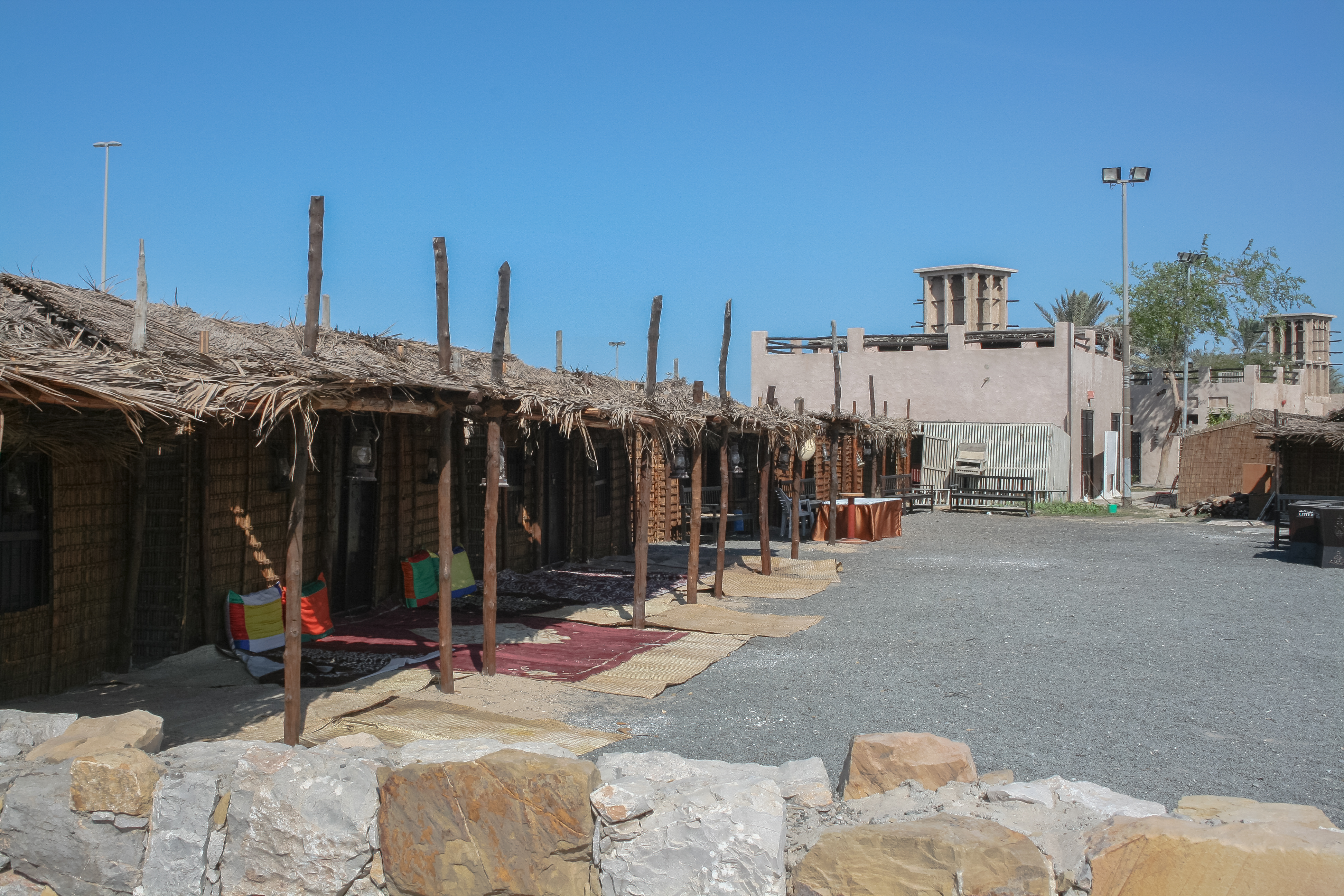
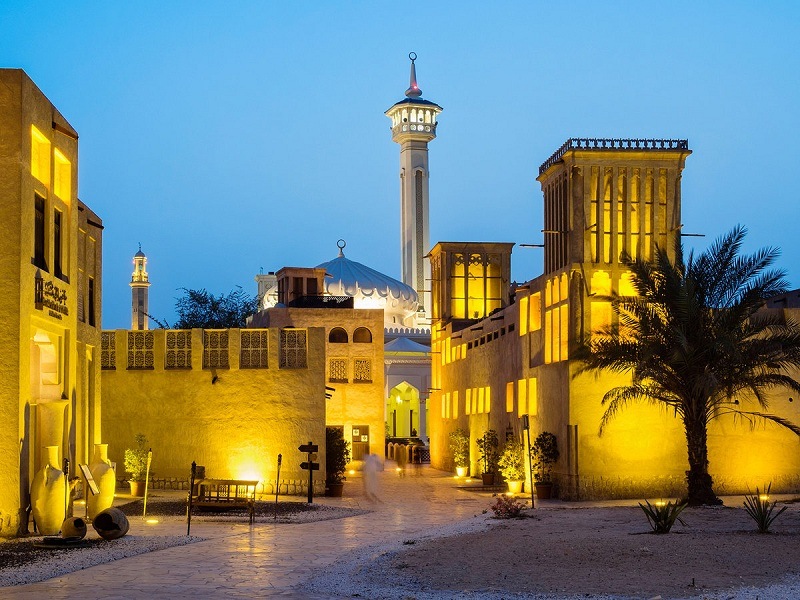
The Creek is where the story lives, if you care enough to listen. Centuries ago, merchant ships came here, and Dubai wasn't a name on a spreadsheet—it was a place where people actually wanted to be. Walk into the heritage area near the Old Souk, and you can still feel that intention embedded in the architecture: the wind towers (called windcatchers or badgeers locally) that pull cool air down into the narrow alleys, a technology so elegant it feels like conspiracy against engineering textbooks. An old Emirati man once told me his grandfather stored pearls in one of these buildings, back when the sea gave generously and nobody had invented air conditioning or the need for it. That man's great-grandchild probably works in a glass tower three kilometers north, and both stories are true. Both exist simultaneously in this city. The Creek is where you can hold that contradiction in your hands without it needing to make sense.

Food is where Dubai's real conversation happens—not in the five-star hotel dining rooms, but in the workers' canteens and late-night shawarma stands where Filipino, Indian, Pakistani, and Emirati hands work the same ovens. There's a tiny, unremarkable place called Al Mallah near the old spice market where they've been making chicken shawarma for thirty years, and the sauce they use is apparently a family secret that predates the financial boom by decades. Order it at 11pm on a Thursday and you'll find yourself standing elbow-to-elbow with construction workers, nurses coming off night shifts, and taxi drivers who've been sitting in traffic for eight hours and have finally found a reason to smile. The meat is cooked on a vertical spit until the edges catch char, and when they wrap it in flatbread with their specific blend of garlic paste and hot sauce, it becomes less a sandwich and more a small act of resistance against the city's tendency toward excess. Eat it standing up, leaning against the counter, watching the huddle of humanity around you. This is Dubai's actual heart rate.
Here's what tourists do wrong: they arrive expecting the city to perform its greatest-hits compilation, and they get frustrated when it doesn't. They spend three days doing Burj Khalifa, Palm Jumeirah selfies, and gold souk shopping, then leave convinced it was all artificial. The secret is permission—permission to waste an entire afternoon sitting in an old coffee shop (kahwa place) watching Emirati men play cards and argue about football. Permission to get lost in the tangle of alleys between Deira and Bur Dubai without your phone's GPS, which I promise makes a difference. Permission to skip the megamalls and instead spend an evening at a shisha place where nobody's trying to sell you anything except the next cup of coffee. October through April is the real Dubai season, not because of the weather—though 25°C is genuinely perfect—but because the city's international community settles back in after summer and the rhythm becomes less frantic. Avoid July and August unless you're genuinely committed to understanding what 45°C feels like. And politely decline any tour that promises to show you 'authentic' Dubai in six hours. Authenticity here doesn't clock out.

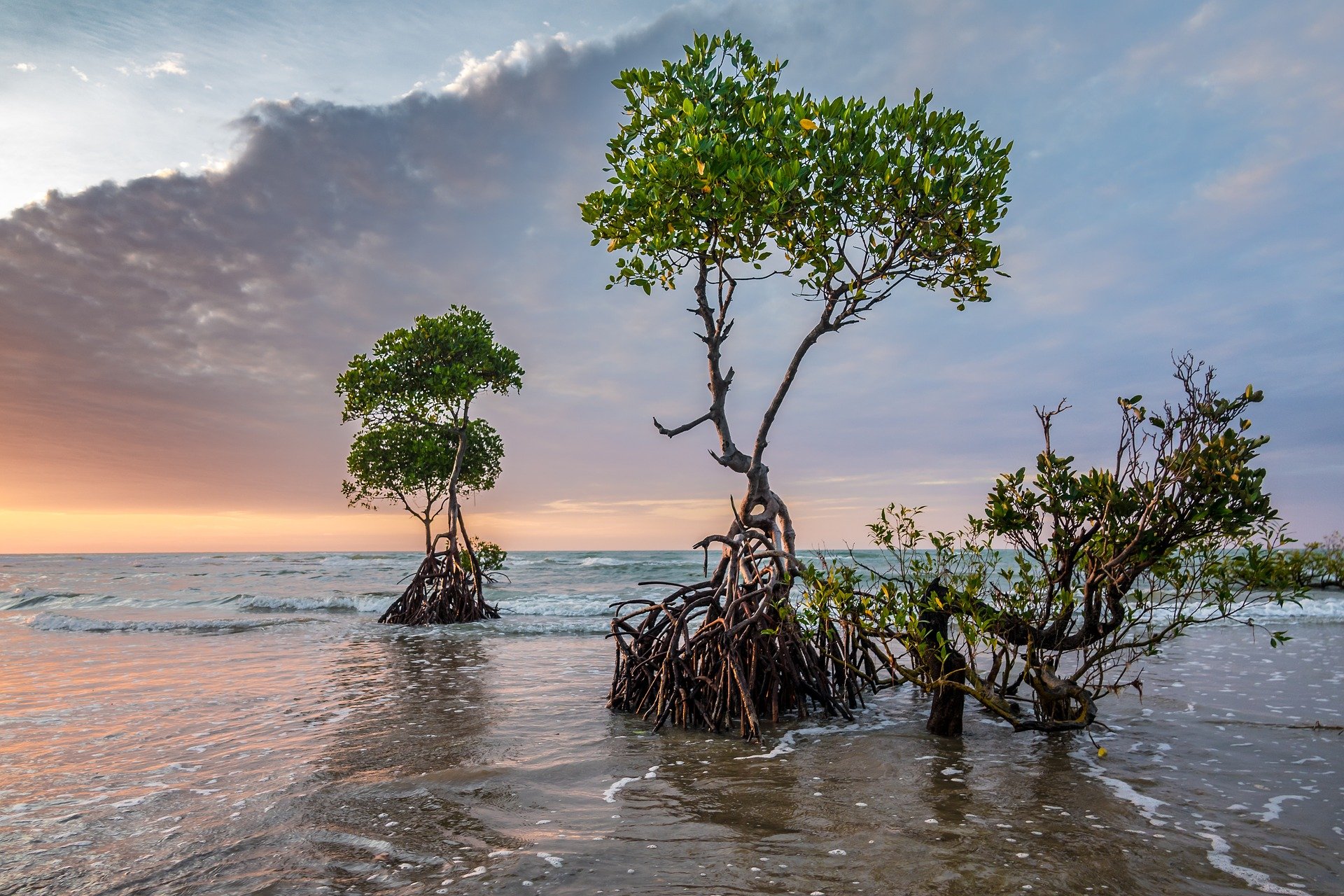
What might surprise you is how much of Dubai is actually vertical blue emptiness. The sea. Most visitors miss it because they're hypnotized by the skyline, but the UAE coast is genuinely surprising—wild in patches, with mangrove forests that harbor birds and fish and small acts of ecological rebellion against the sprawl. Take a boat tour through Mushrif mangroves at sunset, or find one of the smaller beaches (Umm Suqeim Beach, away from the resort madness) and actually wade in. The water is warmer than a bath, the salt content makes you float like you weigh nothing, and there's a particular quiet that descends at dusk—the call to prayer echoing across the water from the mosques, the sky doing that thing where it can't decide between gold and purple. These moments feel stolen from a different story. They remind you that before the towers, before the ambition-as-architecture, this was just a place where the sun met the water. That truth hasn't gone anywhere. It's just waiting for you to stop looking at the skyline long enough to see it.
The longing hits hardest when you're leaving. Not because Dubai is magical—it's too deliberate, too obvious in places, too shiny in ways that feel planned. But because of the specific humans you met while you were there. The Emirati friend who explained the difference between hajji and non-hajji families with genuine affection for both. The Pakistani taxi driver who asked about your life and actually listened to the answer while navigating six lanes of traffic. The Filipino nurse who told you about her kids back home and how Dubai paid for their school fees. The old merchant whose family has been in Deira for sixty years and who watched everything transform around him and somehow stayed gentle about it. These people—their stories, their strategies for living, their grace under the weight of the city's transformation—this is what sticks. Dubai doesn't need you to love it. But the people living inside it? They might actually teach you something about resilience, about how to hold on to specificity and humanity while the world builds cathedrals of glass around you.
If this has sparked something in you—that particular ache that comes from seeing a place clearly, not as a postcard but as a place where real people are building actual lives—the team at Dream Destiny Trips has a way of turning these sparks into itineraries that matter. They won't hand you a brochure of highlights. They'll help you find the moments when the city drops its voice, the conversations that happen after midnight, the specific flavours and faces and rhythm that made you want to come back. Reach out. Tell them what you're looking for. Watch what they build for you.