The bus wheezes around the final mountain bend and suddenly the bay spreads below you like someone spilled ink into a mountain valley. Kotor announces itself not with fanfare but with sheer geology—sheer cliffs, a walled old town compressed into cobblestones no wider than your shoulders, and water so dark it looks like it holds secrets in its depths. You step out into salt-tinged air, your backpack still damp from the five-hour journey from Podgorica, and a local woman selling figs from a plastic crate gives you the once-over and nods, as if you've passed some unspoken test. The light at 6am here is different from anywhere else—golden but cold, like it's passing through centuries before it reaches your eyes. You'll understand this by your third visit.
The Cathedral of Saint Tryphon sits in the heart of the old town like a grandmother who has seen every invader, every earthquake, every tourist wave, and remains unmoved. Built in the 12th century by someone whose name history forgot, the cathedral has survived Venetian occupations, Ottoman sieges, and a 1979 earthquake that nearly levelled the city. Stand inside—genuinely stand there, not just photograph the altar—and you'll see the scars: new stone patched beside ancient stone, like a tapestry of repair and resilience. An old caretaker named Mirko once told me (while serving rakija, a local grape brandy, at 10am) that the earthquake didn't destroy the cathedral because 'the stones remembered how to fall and get back up.' That sentence, half-serious and half-philosophy, explains Kotor better than any guidebook.

Food here isn't Instagram bait; it's what people actually eat when tourists aren't looking. Find Galion, a family-run restaurant tucked so far into the backstreets that GPS gives up, and order the octopus peka—slow-cooked under a metal bell with bay leaves and olive oil—without asking for it to be prettified. The owner's daughter (whose name you'll never quite catch) brings bread that tastes like it was made before you were born and a local red wine that costs €4 and tastes like someone just crushed Adriatic sunsets into a bottle. Around you, fishermen debate the morning's catch in rapid-fire Montenegrin; locals gossip over kafa—strong coffee served in small cups—which is less a beverage than a social contract. The WiFi is patchy. The tables wobble. None of this matters.

Here's what nobody tells you: Kotor gets crowded, but the crowds are stupid about it. Every cruise ship passenger photographs the same three streets and calls it done by lunchtime. Go on a Tuesday in May or September—the weather is perfect, the chaos is manageable, and you'll actually see the place as locals use it, not as a stage set. Skip the 'panoramic boat tour'—it's overpriced and you'll see the bay better from the fortress hike anyway. Do not accept directions from street vendors; download Maps.me offline because your signal will cut out precisely when you need it most. And when someone tries to sell you 'authentic' souvenirs on the main street, smile and keep walking—the real textiles and crafts are in the apartment studios that locals will mention only if they trust you.
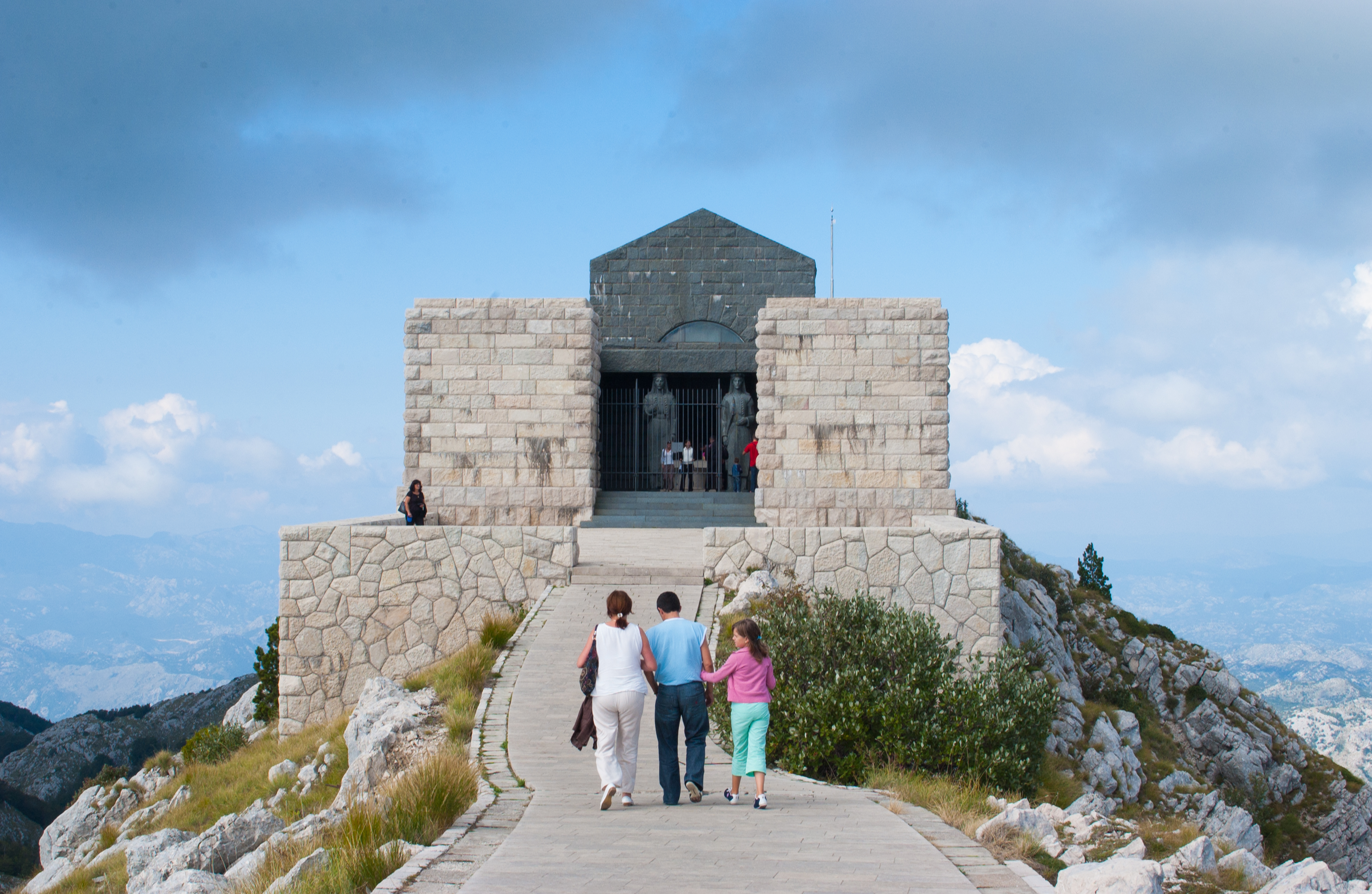
The hike to Fortress Lovćen changes you, even if you don't expect it to. The path climbs from the city's edge through switchbacks that seem designed by someone who hated knees, but every 200 metres the view shifts—first the bay spreads like a geography lesson, then the entire Adriatic coast becomes visible, then the mountains behind you remind you that you're standing on a thin strip of land between water and stone. Halfway up, you'll pass an old stone shrine where locals leave coins, and a woman selling water from a cooler will charge you €0.50 and ask where you're from with genuine curiosity, not sales ambition. The fortress itself is half-ruin, half-mystery, and entirely worth the burning quads and the three litres of water you'll have consumed. Return at dusk. This is not optional.
What gets you, what keeps working on you even when you're back home arranging your normal life, is the combination: stunning geography that feels accidental, a walkable old town where you can't actually get lost because there are only so many directions a street can go, prices that feel like a mistake (a three-course meal with wine for €15), and locals who seem genuinely unsurprised when you return. You'll come back. You won't mean to, but you will. Kotor doesn't ask for love; it simply keeps existing in this specific way—beautiful and real and just difficult enough to reach that it hasn't been turned into a theme park. If this has sparked something in you, the team at Dream Destiny Trips has a tendency to turn these sparks into actual itineraries—reach out and watch what happens.